How to Prevent Dryer Fires

Every year, firefighters across the country respond to around 14,630 home fires caused by clothes dryers, according to the National Fire Protection Association.

One-third of these fires is caused by an accumulation of lint, which means that not cleaning out your dryer vent can set you up for a dangerous situation that’s far more serious than the drop in performance caused by constricting a dryer’s duct work

1. Clean the Lint Filter

Not once a month, or even once a week. Clean the lint from the dryer’s lint screen before and after every load.

2. Clean the Dryer Duct Annually (at Least)

If you notice that your dryer takes longer to dry laundry than it used to, that’s a clue that there may be a blockage in the dryer vent system. When you’re drying a load, go outside and look at the vent. Do you see or feel exhaust air? If not, the vent or exhaust duct may be blocked with lint.

3. Handle Chemical Stains With Care

Clothes stained with gas, cooking oil, cleaning agents, or other flammable chemicals or substances need special care. Wash such stained clothing more than once to minimize volatile chemicals, then hang to dry. If you must use a dryer, use the lowest heat setting and a drying cycle that concludes with a cool-down period.

4. Never Run the Dryer When You Leave Home or Are Sleeping

We all have probably caved to convenience and thrown a load of clothes into the dryer before heading to work or running errands. However, if a fire starts while you are gone, you cannot stop it early. If you are asleep, it may be too late before you realize that your house has caught fire. For your own safety, consider running the dryer only when you are home and awake. It is also a good idea to keep a fire extinguisher in your laundry room, just in case something does go wrong.

In the event that a fire does start, keep the dryer door closed to limit its oxygen supply—a fire needs oxygen to keep it going.


sources: https://www.consumerreports.org/clothes-dryer/how-to-prevent-dryer-fires/ 
https://learn.compactappliance.com/preventing-dryer- fires/


Carbon Monoxide


What is carbon monoxide?

Carbon monoxide, commonly referred to as CO, is an invisible, odourless, colourless, toxic gas.

How is it produced?

Carbon monoxide is produced by the incomplete burning of common fuels such as gas, coal, natural gas, propane, heating oil, kerosene and methane, or any other combustible material such as wood, cloth or paper. Fuels burn incompletely when there isn’t an adequate supply of oxygen.

Continue reading

Wabasca’s First Fire Chief

From Tina Rathbone (Daughter of Bruce Rathbone)

“It is such an honour to see his name on the building. My dad was the 1st fire chief in Wabasca and volunteered for so many years. We have so many memories of us riding the fire truck with him when we were kids. Answering the dispatch phone and running to his garage to tell him where the fire was and he would be on his way as we jumped in too. Every week he would go get the fire trucks ready at the old fire hall and we would tag along. Every year the fire department held a pancake breakfast and the kids got a chance to ride in the fire truck around the Wabasca loop. Great childhood memories with our dad. My dad retired and my brother Derrick was the next fire chief. Thanks to our current Fire Chief, Lee Bissell for having it all set up for us. I took pictures of them together too. The 1st fire truck in our community that my dad used to drive.

Lee Bissell With Bruce Rathbone

Bruce Rathbone

Bruce inside Old Red (Still running)

Tina and Bruce Rathbone

BBQ Summer Safety Tips

There’s nothing like outdoor grilling. It’s one of the most popular ways to cook food. But, a grill placed too close to anything that can burn is a fire hazard. They can be very hot, causing burn injuries.

Summer is the peak month for grill fires and that’s why this month, the Office of the Fire Commissioner is focused on BBQ and fire pit safety.

Here Are Some Safety Tips Continue reading

Wildfire Information

Wildfire prevention is a responsibility we all share and it is important to understand safe fire practices so that everyone can enjoy Alberta’s forests.

Wildfire is not an individual agency’s concern – it is a community concern that requires everyone to become involved in solutions.

Everyone’s involvement ensures that wildfire does not needlessly threaten our environment. To accomplish this, individuals need to be aware of the dangers of wildfire to themselves and their community

CLICK HERE FOR INFORMATION ON WILDFIRES FOR WABASCA AREA

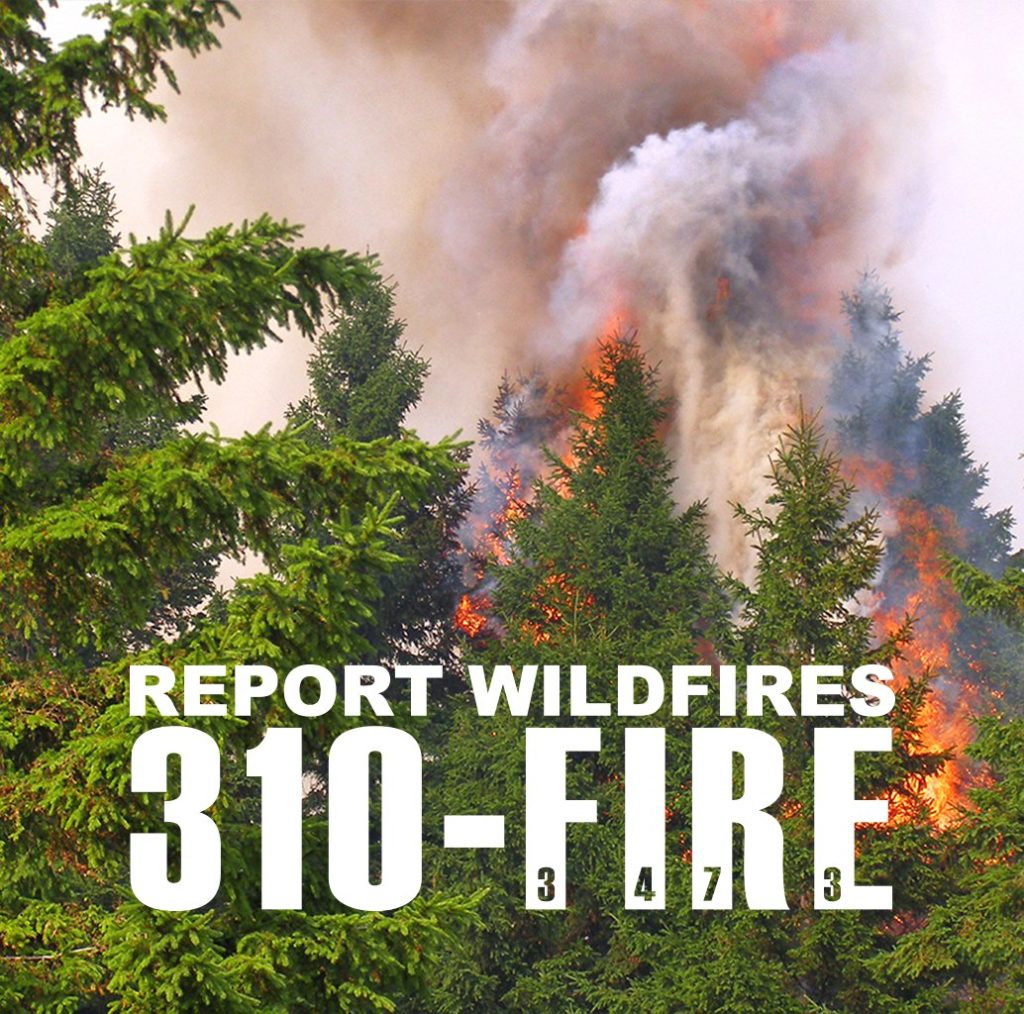
Remember to report any signs of smoke or fire to 310-FIRE