Electric Space Heater safety tips

Every year, firefighters across the country respond to around 14,630 home fires caused by clothes dryers, according to the National Fire Protection Association.
One-third of these fires is caused by an accumulation of lint, which means that not cleaning out your dryer vent can set you up for a dangerous situation that’s far more serious than the drop in performance caused by constricting a dryer’s duct work
Not once a month, or even once a week. Clean the lint from the dryer’s lint screen before and after every load.
If you notice that your dryer takes longer to dry laundry than it used to, that’s a clue that there may be a blockage in the dryer vent system. When you’re drying a load, go outside and look at the vent. Do you see or feel exhaust air? If not, the vent or exhaust duct may be blocked with lint.
Clothes stained with gas, cooking oil, cleaning agents, or other flammable chemicals or substances need special care. Wash such stained clothing more than once to minimize volatile chemicals, then hang to dry. If you must use a dryer, use the lowest heat setting and a drying cycle that concludes with a cool-down period.
We all have probably caved to convenience and thrown a load of clothes into the dryer before heading to work or running errands. However, if a fire starts while you are gone, you cannot stop it early. If you are asleep, it may be too late before you realize that your house has caught fire. For your own safety, consider running the dryer only when you are home and awake. It is also a good idea to keep a fire extinguisher in your laundry room, just in case something does go wrong.

sources: https://www.consumerreports.org/clothes-dryer/how-to-prevent-dryer-fires/
https://learn.compactappliance.com/preventing-dryer- fires/
Frayed and Worn block heater cords can cause Fires.
Its that time of year again to start to use the block heaters in our vehicles. But like most of us, you probably haven’t given much thought to the condition of the cords that supply the up to the 1500 Watts of power necessary. On the whole, the block heater itself is quite safe but the cords just might be in pretty bad shape. And if, like others, you forget occasionally to unplug your vehicle before driving away, you can do some real damage to those cords.
Another problem is using an extension cord that cannot handle the amount of electricity necessary to operate your block heater. They use a lot of power and if the cord is too small, it can over-heat, melt and cause a fire. So you need a cord that is rated for a block heater.
Vehicles are surprisingly flammable and once they get started they can take anything around them – like your house – up in smoke with them. Its a good rule of thumb to ensure that your vehicle is a minimum of 3 meters or 10 feet from your home.
So today, before you forget, go out and check the cords that carry electricity to your block heater. Over the years the insulation can crack and expose the wiring underneath them or, if your driven away while still plugged in, inspect the extension cord plugs. With the sealed units we have today, it is difficult to see if the wire has been stretched causing a possible short. When in doubt, replace the extension and block heater cords. If you come out in the morning and find the area around the plugs warm, that’s a bad sign. Time to replace those cords. Don’t use it again. Better to be late for work than put your family at risk by continuing to use a cord you fear is faulty.
 Reduce the risk of electrical fires in your home by following these safety tips.
Each year, thousands of residential fires are caused by small appliances or faulty home wiring, cords and plugs. It’s one of the leading causes of household fires and can often end in tragedy.
All equipment and appliances in your home that use electricity increases the risk of fire. To reduce the risk, inspect cords and plugs regularly. Contact a qualified electrician immediately if you notice any issues with your home’s wiring. Do not attempt to fix faulty wiring unless you are qualified to do so
When it comes to small appliances, there’s one important rule to remember – unplug them when you’re not using them. This is especially true with appliances that produce heat, such as:
Be cautious with appliances when they are in use. Appliances with automatic turn-offs, for example, may malfunction as they age. Instead of shutting down properly, they could continue to heat up and potentially start a fire.
You can check for the latest product recalls by visiting the Government of Canada’s recalls and safety alerts page. If you are moving into a home that has appliances installed, you should record their make and model and check for any recalls or review customers’ experiences with those products.
Reduce the risk of an electrical fire in your home by following these tips:
Be sure you have a ground fault circuit interrupter (GFCI) protection anywhere electricity and water are within 2 meters of each other to protect against electric shock. These outlets are designed to save lives when a small appliance comes into contact with water.
Ensure your GFCI is working properly:
Make certain all small appliances have a mark (approved) from an accredited testing laboratory, such as the Underwriters Laboratories Canada or the Canadian Standards Association. Only use small appliances according to the manufacturer’s instructions.
Limit how many appliances are plugged in and being used at the same time. Unplug all small appliances not in use.
source: https://www.alberta.ca/electrical-fire-safety.aspx
It is normal for children, even as young as two years old, to be curious about fire.
Guiding children to fire-safe behavior is the responsibility of parents and caregivers.
Fire play happens when a child, curious and unsupervised, plays with matches, a lighter, an open flame or a hot stove. This curiosity can lead to a fire that may result in death, injury and property damage.
Fires started by children in the home usually happens in a bedroom, followed by the living room, closet and kitchen.
If your child or a child you know is curious about fire, there
are three steps to prevent a fire tragedy: Continue reading
So, what can you do to protect your home and your loved ones?
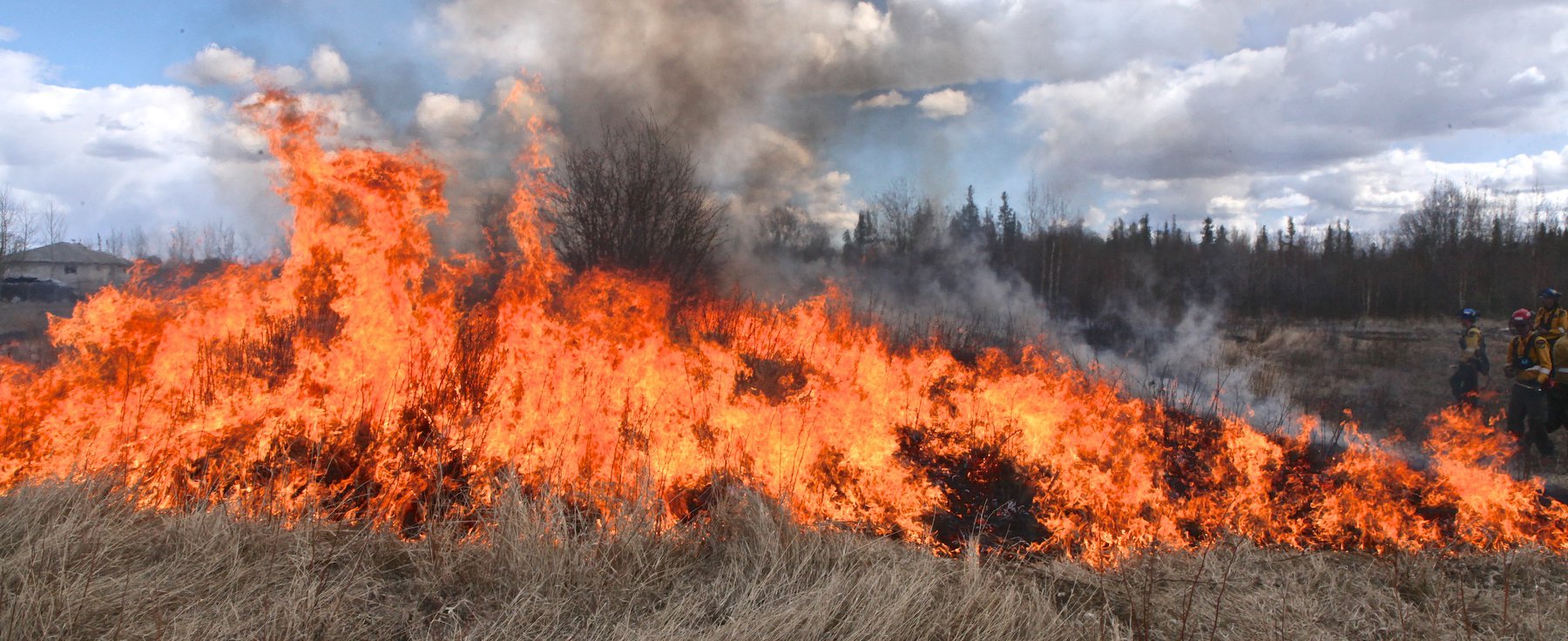
PLEASE CUT YOUR GRASS
PLEASE DON’T ATTEMPT TO BURN IT WITH EVERYTHING AS DRY AS A BONE ITS MORE THAN LIKELY TO GET OUT OF CONTROL.